Ejercicios love, like, dislike, hate, preferences en inglés
Ejercicios love, like, dislike, hate, preferences (likes y dislikes en inglés)
En los siguientes ejercicios practicarás los verbos para expresar preferencias HATE, DISLIKE, LIKE y LOVE. Al final de esta lección puedes ver las respuestas.
Para ver los significados, usos, estructura y pronunciación de estos verbos puedes ir siguiente enlace: lección sobre las preferencias en inglés.
Lee las instrucciones y realiza los ejercicios, al terminar cada ejercicio puedes hacer clic en NEXT para continuar.
Arrastra las palabras en español al lado de las palabras en inglés apropiadamente. Drag the words in Spanish next to the words in English appropriately.
Sort elements
Odiar
No gustar
Gustar
Encantar, amar
Love
Like
Dislike
Hate
Respuestas para los anteriores ejercicios:
1. Love: amar, encantar. Like: gustar. Dislike: no gustar. Hate: odiar. 2. She likes to play the guitar. A ella le gusta tocar guitarra. 3. We dislike watching movies at night. No nos gusta ver películas en la noche. 4.They hate cooking / to cook in the morning. Ellos odian cocinar en la mañana. 5. She loves singing / to sing with her friends. A ella le encanta cantar con sus amigos. 6. He doesn’t like waiting / to wait for her wife. A él no le gusta esperar (wait) a su esposa7. They hate listening to music in the car. Ellos odian escuchar música en el auto. 8. I like to wake up early every day. Me gusta despertarme temprano todos los días.
Expressing Preferences
We often use words like prefer, would prefer, would rather to talk or ask about preferences. "I prefer living on my own." "Would you prefer to see a movie or go to a club?" "Would you rather go shopping with me?"
Those expressions are quite different in meaning and this is why learners of English often find them challenging. So here is how we can separate them:
Difference in meaning:
We tend to use 'prefer' to talk generally about likes, dislikes, what we want. “He prefers reading books.” “I prefer going to the beach than going to a swimming pool.”
The expressions 'would prefer' and 'would rather', to be a little more specific. “I would prefer to see him in person.” “I would rather go home now.”
Difference in form:
Followed by a different verb form:
“I prefer living in a city.” (followed by the gerund; the '-ing' ending) “I would prefer to be told the truth.” (followed by the infinitive; to+ the verb) “Would you rather stay at a hotel?” (followed by the base form of the verb; the verb without 'to'.
Different prepositions to state the choice.
prefer, would prefer – go with 'to' “I'd prefer living in a city to living in the country.” “I would (I'd) prefer being alone to being with the wrong person”.
would rather – goes with 'than'“I would (I'd) rather talk to him in person than call him on the phone.”
***
1. You can check your understanding as you match the questions below with suitable endings: Would you prefer ...? Would you rather ....?
- taking a nap or going for a walk - a trip to Jamaica or a cruise to Alaska - watch a talk show or see a movie - to stay at home or go outside with friends
2. Practice asking and answering questions of the same type with friends.
En inglés, los gerundios son aquellos verbos que terminan en “-ing” y pueden aparecer en las oraciones cumpliendo diferentes funciones.
Algunas de las funciones que tienen los gerundios son las siguientes:
Como adjetivo: los gerundios de este tipo son los que se usan para sumarle algún dato o descripción sustantivo de la oración, y siempre se coloca por delante de este. Por ejemplo: “The crying boy is my brother” o “He is in the waiting room” o “The swimming pool is over there”.
Como complemento informativo de otro verbo: existen algunos verbos que precisan ir acompañados de otros para que su significado se comprenda de forma total, como ocurre en el siguiente caso: “I hate playing the violin”.
Como sujeto: en este caso, el verbo que termina en –ing no es más que el sujeto de la oración, como por ejemplo: “Singing is very difficult for me” o “Brushing your teeth well is very imporant”.
Como tiempo verbal: los gerundios se usan en los siguientes tiempos verbales:
Futuro continuo: He will be studying.
Condicional continuo perfecto: They would been cleaning.
Presente continuo: I’m trying to sleep.
Condicional continuo: He would be crying.
Pasado continuo: I was reading my new book.
Pluscuamperfecto continuo: I had been cleaning the kitchen
Ejemplos de verbos en gerundio en inglés
A continuación se presenta un listado de verbos en gerundio en inglés:
Habla inglés como un nativo. Pronunciación, gramática, vocabulario y más.
Cómo usar el gerundio en inglés – la forma -ing de los verbos
¿Sabes usar el gerundio en inglés?
El gerundio es una de las formas verbales más fáciles de usar, y también una de las más usadas. Aquí vamos a ver cómo usar el gerundio en inglés, y además tenemos una lista de los gerundios más importantes.
Primero: Siempre se forma con el sufijo -ing. Y hay unas pequeñas reglas de ortografía que hay que seguir para duplicar una consonante final o quitar una -e silenciosa.
Aparte de eso, no tiene irregularidades, lo cual lo hace más o menos la única regla en inglés que no tiene excepciones.
Así que más que nada hay que saber los verbos más importantes del inglés y sus formas en gerundio.
Por cierto, algunas personas lo llaman directamente “la forma -ing” y otras lo llaman “el participio presente”.
(Así lo diferencian del participio pasado, que está en la tercera columna de nuestra lista de verbos irregulares.)
Cómo usar el gerundio en inglés – lo básico
El gerundio se usa para varias cosas. Por ejemplo, para formar tiempos continuos (presente continuo, pasado continuo, presente perfecto continuo, etc.
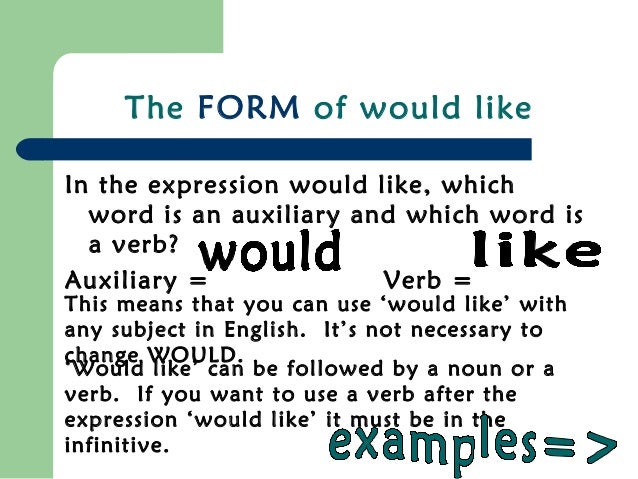
También es una parte importante de los verb patterns (que son lo que pasa cuando ponemos un verbo como like, love, hate, want, need, etc antes de otro verbo. Descarga mi ebook gratuito sobre los verb patterns aquí, explico casi todo lo que tienes que saber: gum.co/verbpatterns.
Y además, el gerundio se puede usar como sujeto de la frase si lo pones al principio. Así es una forma de transformar verbos en sustantivo.
Por último, hay palabras que terminan en -ing porque sí. Sustantivos, adjetivos y más. Veremos ejemplos de todo a continuación, pero primero, el la lista de gerundios comunes, y el PDF que puedes descargar, si quieres.
Seguimos…
Cómo formar el gerundio en inglés
Como dije antes, es bastante sencillo formar el gerundio. Normalmente solo hace falta poner la -ing al final del verbo, pero a veces hay que quitar una -e silenciosa, y a veces duplicamos el último consonante.
Después de ver las formas, veremos ejemplos de cada uso del gerundio en inglés. ¡Adelante!
Infinitivo – Gerundio
agree – agreeing allow – allowing answer – answering ask – asking be – being become -becoming begin – beginning believe – believing borrow – borrowing break – breaking bring – bringing buy – buying carry – carrying change – changing close – closing cut – cutting do – doing eat – eating explain – explaining fall – falling feel – feeling fill – filling find – finding finish – finishing fly – flying follow – following forget – forgetting get – getting give – giving go – going have – having hear – hearing help – helping hold – holding know – knowing learn – learning leave – leaving like – liking listen – listening live – living look – looking lose – losing make – making mean – meaning meet – meeting move – moving need – needing open – opening pay – paying play – playing promise – promising put – putting read – reading remember – remembering run – running say – saying see – seeing seem – seeming sell – selling send -sending set – setting show – showing sit – sitting sleep – sleeping speak – speaking spend – spending start – starting stop – stopping study – studying suggest – suggesting take – taking talk – talking tell – telling think – thinking travel – travelling try – trying turn – turning understand – understanding use – using wait – waiting wake up – waking up walk – walking want – wanting watch – watching work – working worry – worrying write – writing
Ahora que hemos visto las formas, vamos a ver los usos. Primero, el uso más importante en la gramática, los tiempos continuos.
Es fácil, ya verás…
El gerundio en presente continuo, pasado continuo, etc
Principalmente, usamos el gerundio para formar los tiempos continuos. El verbo to be en alguna forma tiene que estar también para que sea un tiempo continuo.
Eso es importante: todos los tiempos continuos tienen una forma de to be y un gerundio. Si no tiene estas dos cosas, no es un continuo.
Hay varios tiempos continuos, pero aquí tienes los más usados:
Presente continuo: am / is / are + gerundio
Pasado continuo: was / were + gerundio
Futuro continuo: will be + gerundio
Presente perfecto continuo: have / has + been + gerundio
Según la forma del verbo to be, sabemos si es presente, pasado, futuro, etc.
Ejemplos de los tiempos continuos
She’s having a beer with her friend.Her friend is talking very loudly. (Presente continuo. Se trata de algo que pasa ahora.)
He was living in Berlin in 2005, and I was living in Dublin. (Pasado continuo. Se trata de una acción de larga duración en pasado.)
I’ll be studying engineering next year, and my best friend will be studying chemistry.(Futuro continuo. Se trata de acciones de larga duración en el futuro.)
I’ve been living in Madrid for 12 years. I moved here in 2004. (Presente perfecto continuo. Se trata de una acción continua que empezó en pasado y sigue ahora.)
Otro uso muy común del gerundio en inglés son los verb patterns.
Aquí unos ejemplos importantes…
Los verb patterns con gerundio en inglés
Segundo, usamos el gerundio en los verb patterns que lo exigen. No se trata de un verbo en un tiempo continuos, sino que la gramática exige que ciertos verbos vayan seguidos de otro verbo en gerundio.
Running – un gerundio muy común en inglés. Foto de Peter Mooney en Flickr.
Los verb patterns más importantes con gerundio son like, love, hate y enjoy.
Presta especial atención al cuarto ejemplo abajo: se usa like solo una vez, pero todas las actividades que van después van en gerundio.
Aquí tienes los ejemplos…
Ejemplos
I like running in the park. (like + gerundio)
She enjoys watching horror films. (enjoy + gerundio)
They hate going to the dentist. (hate + gerundio)
In my free time, I like going to the gym, watching films, or just meeting my friends for a drink. (like + varios gerundios)
He loves eating, but he doesn’t like cooking. (love + gerundio)
La mayoría de los otros verb patterns usan to + infinitivo, o el infinitivo simplemente. Y como mencioné antes, puedes descargar mi ebook gratuito sobre los verb patterns aquí: gum.co/verbpatterns.
Y seguimos…
El gerundio como sujeto de la frase
Tercero, usamos el gerundio cuando el verbo es el sujeto de la frase o tiene forma de sustantivo.
Un verbo como run habla de la acción, pero transformándolo en gerundio – running – también puede usarse como sustantivo.
Es un poco lo mismo que hacemos con los verb patterns:
I like running. (El gerundio sirve de complemento, como si fuera sustantivo.)
Aquí lo hacemos al revés, usando el gerundio como sujeto de la frase:
Running is a lot of fun.
Fíjate que en español, se usa el infinitivo para eso: Correr es muy divertido.
No es verdad, pero como ejemplo, nos sirve 🙂
Más ejemplos del gerundio como sujeto de la frase
Aquí tienes más ejemplos:
Shopping is fun, but I don’t have much money.
Smoking is prohibited in the airport.
Swimming is very healthy exercise.
Eating too much sugar makes you fat.
Cooking is easy. You should learn!
Living in Madrid is more expensive than living in Lisbon.
Working all the time is very stressful.
Otro aspecto de cómo usar el gerundio en inglés…
Otros usos del gerundio
Cuarto (y que yo sepa, último) hay algunas palabras que son gerundios pero también son sustantivos o adjetivos con otros significados, o que se usan para formar ciertas frases importantes.